 Pin It
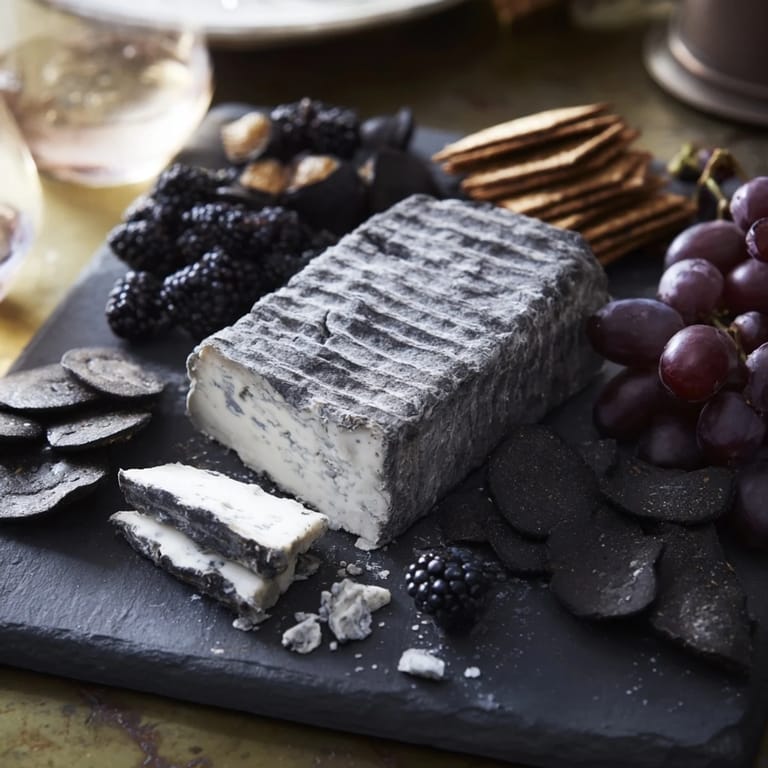
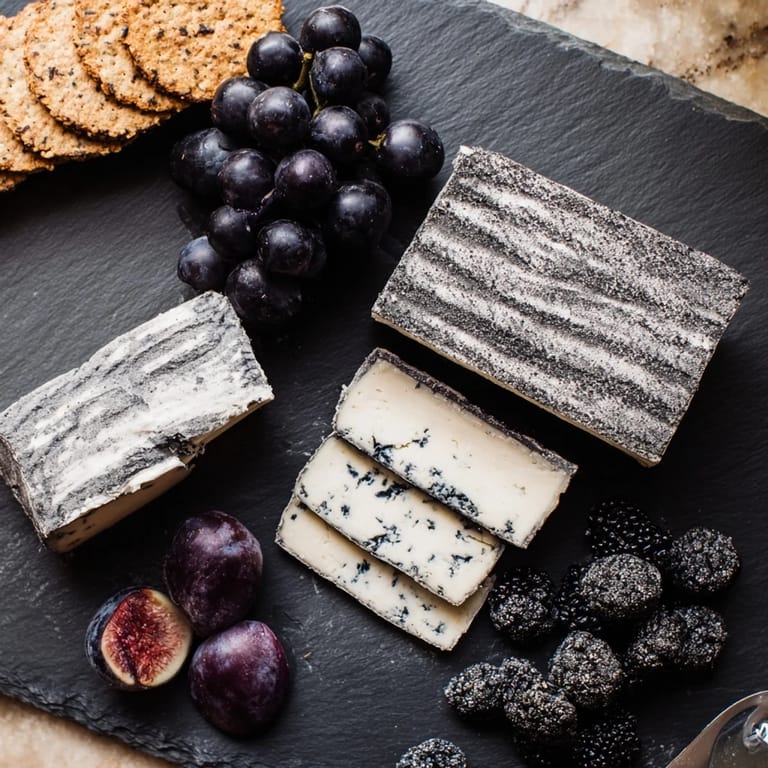
 I remember the first time I truly understood the power of restraint in entertaining. It was at a gallery opening, actually, where I noticed a server circulating with the most striking cheese board I'd ever seen—all grays and blacks and deep silvers, like an edible work of art. Everything on it seemed to whisper rather than shout. That's when I realized that sometimes the most sophisticated moments come from knowing what to leave out, not what to add. This monochrome cheese board became my love letter to that philosophy: a celebration of subtle elegance where every element earns its place through color, texture, and genuine flavor.
I made this for the first time when a dear friend mentioned she was tired of the same colorful fruit-heavy boards at parties. Something clicked—why not lean into drama and darkness instead? That evening, watching her eyes light up when she saw it, I knew I'd stumbled onto something special. It wasn't about being trendy; it was about understanding that food, like people, can be beautiful in understated ways.
Ingredients
- Morbier or other ash-rinded semi-soft cheese (150 g): This cheese has a natural ash line running through its center, making it visually perfect for this board. Its creamy texture and mild, slightly tangy flavor bridges bold blue cheese and delicate goat cheese beautifully. Look for ones where the ash coating is intact and gray.
- Humboldt Fog or similar ash-ripened goat cheese (120 g): The texture here is what matters—soft, almost mousse-like, with that distinctive gray ash layer on top. It adds an earthy note and those stunning visual lines that make the board sing.
- Valdeon blue cheese or any gray-veined blue (100 g): This is your bold statement. The blue-gray veining is what ties the whole palette together. It's peppery and complex, so a little goes a long way—people appreciate it in small, intentional bites.
- Slate-colored charcoal crackers (8–10 pieces): These are the unsung heroes. They're often more flavorful than regular crackers because they're infused with actual charcoal, giving them an earthy, slightly nutty taste. If you can't find them, black sesame crackers work beautifully.
- Dark rye or pumpernickel bread (6–8 slices): The deeper, almost black color keeps the palette true. These breads have a density and flavor that stands up to strong cheeses instead of getting lost beside them.
- Black grapes or dark plums (1 small bunch): These provide juicy contrast to the dense cheeses. The tartness cuts through richness in the most lovely way. If using plums, slice them just before serving so they don't oxidize.
- Blackberries or blueberries (1 small handful): These are your secret texture trick—they add slight tartness and visual texture without breaking the color scheme. Scatter them in the gaps.
- Black olive tapenade (2 tbsp): A small spoonful adds briny depth and gives people another flavor direction to explore. Don't overdo it; this is supporting cast, not star.
- Edible charcoal salt: Just a whisper across the cheeses amplifies the visual drama and adds a subtle mineral quality. It's a final flourish that says you cared about every detail.
- Fresh rosemary or thyme sprigs (optional): These are your only concession to green, and they work because they're minimal and herbaceous rather than bright. They're optional, but they add a living element that softens the severity just slightly.
Tired of Takeout? 🥡
Get 10 meals you can make faster than delivery arrives. Seriously.
One email. No spam. Unsubscribe anytime.
Instructions
- Prepare Your Canvas:
- Start with your dark stone or slate board—the backdrop matters here. Make sure it's clean and dry. There's something about the contrast between the board and the cheeses that sets the tone for everything else. Position it where you're working, and take a breath. You're about to make something beautiful.
- Arrange the Cheeses with Intent:
- Slice your cheeses thoughtfully. For the Morbier and Humboldt Fog, aim for thin to medium slices—thick enough to showcase their texture, but thin enough that people can eat them without feeling overwhelmed. The blue cheese you can leave in a wedge or break into smaller pieces. Arrange each cheese in its own section, leaving actual space between them. This isn't a puzzle to solve; it's a landscape to compose. The empty space is just as important as the cheese.
- Build Your Bread Landscape:
- Fan the charcoal crackers in small, overlapping stacks like a house of cards. Do the same with pumpernickel slices. Position them so they're accessible but not overwhelming—people should feel invited to try them, not obligated. Leave little pockets of empty board visible; that's where the fruit will nestle naturally.
- Add the Fruit with Confidence:
- Scatter black grapes and plum slices in clusters, as if they've fallen naturally into the empty spaces. Add handfuls of berries last—they're delicate and beautiful, so give them prominent positions. The arrangement should feel organic, like you knew exactly where each berry belonged.
- Tapenade and Finishing Touches:
- Spoon the black olive tapenade into a small dark bowl—ceramics or slate work beautifully—and nestle it into one corner of the board. If you don't have a vessel, spoon it directly onto the board in a small mound. Sprinkle just a pinch of charcoal salt over the cheeses for visual interest and flavor depth. Add your herbs last, positioning them so they draw the eye across the board.
- The Final Moment:
- Step back. Look at what you've created. There's something meditative about a board this restrained—it asks people to slow down, to notice subtlety. Position cheese knives strategically, set out small plates, and let it sit out no more than thirty minutes before serving. The cheeses taste best when they're cool but not cold.
 Pin It
 What I love most about this board is the conversations it sparks. People slow down, really taste things, ask questions about the cheeses. There's no competition for attention between colors. It's intimate in a way that rainbow boards never quite are. It became my signature move—the thing people asked for when they wanted to feel thoughtful and seen.
Understanding Ash-Rinded Cheeses
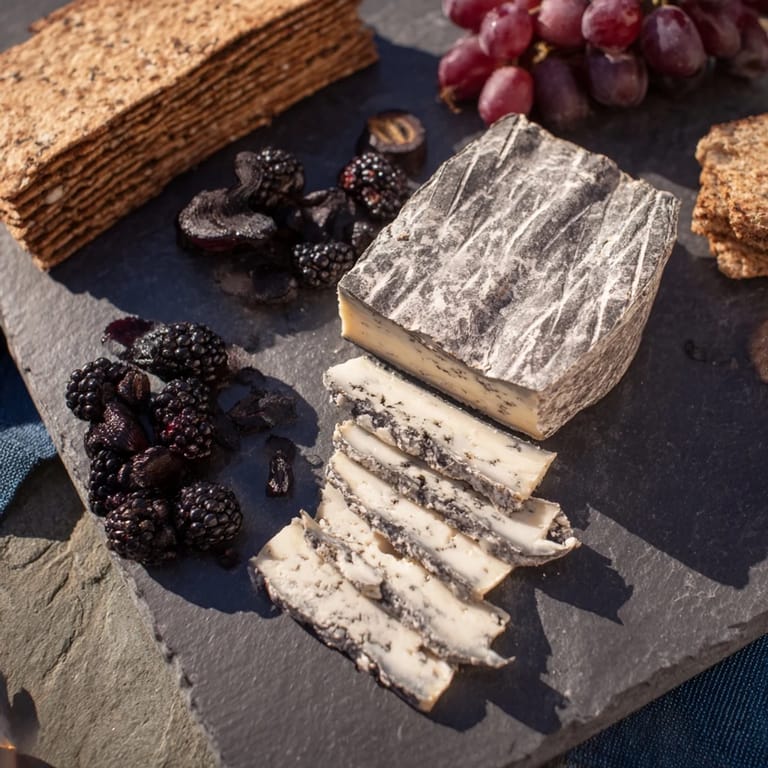
Ash-rinded cheeses used to intimidate me until I realized the ash isn't added for show—it's a natural result of how the cheese is made and aged. The ash comes from vegetable charcoal or goat's milk ash, which creates an environment for beneficial molds to develop. It's actually a sign of traditional, intentional cheesemaking. When you see that gray coating, you're looking at cheese made with respect for process. The ash has an earthy, mineral quality that makes these cheeses remarkable on the palate. They taste like a kitchen that understands patience and technique.
The Psychology of Monochrome Food
There's a reason monochrome boards feel sophisticated—they demand that your other senses take over. Without the visual excitement of color, people really taste. They notice the nuttiness in the rye bread, the peppery edge of the blue cheese, the briny pop of the tapenade. A monochrome board is essentially an invitation to experience food rather than look at food. It's like the difference between listening to music with lyrics versus instrumental—sometimes stripping away one element makes everything else louder, richer, more meaningful.
Pairing Wine and Spirits
Serve this board with wines that respect its restraint and depth. A Malbec, with its dark fruit and smooth tannins, feels like it belongs on this board visually and flavor-wise. A smoky Pinot Noir creates beautiful conversation between the wine and the cheeses. If you're not a wine person, try a dry amaro or even a Japanese whisky neat. The point is choosing something that matches the board's mood: intentional, complex, and unafraid of darkness.
- Malbec loves the salty blue cheese and brings out the earthiness in the goat cheese
- Pinot Noir pairs beautifully with the creamy semi-soft cheeses and tart berries
- If you're serving non-alcoholic drinks, sparkling water with a splash of pomegranate is stunning
 Pin It
 This board taught me that elegance isn't about doing more—it's about knowing exactly what matters and honoring that choice. Serve it with intention, taste it with presence, and watch how quickly a cheese board becomes a moment.
Recipe FAQs
- → What cheeses work best for this board?
Ash-rinded Morbier, Humboldt Fog goat cheese, and blue cheeses with gray veining create the perfect monochrome palette and flavor balance.
- → Which breads or crackers are recommended?
Slate-colored charcoal crackers and dark rye or pumpernickel bread complement the cheeses and maintain the visual theme.
- → How can I enhance the flavor presentation?
Sprinkling edible charcoal salt over the cheeses adds depth, while black olive tapenade and fresh herbs provide savory and aromatic notes.
- → What fruits pair well with this board?
Black grapes, dark plums, blackberries, or blueberries introduce sweet and juicy contrasts without overpowering the color scheme.
- → Are there suitable drink pairings?
Rich red wines like Malbec or smoky Pinot Noir beautifully complement the bold flavors and textures on the board.